We have more tools to be connected than ever before. However, we are increasingly feeling disconnected from ourselves, from others, and from the natural world. The “loneliness epidemic” as it has been described is characterized by feelings of lack of belonging, connectedness, and purpose in life. We are also experiencing an imagination deficit:
- we struggle to envision new realities or see possibilities and ways forward
- we see and generate the same types of ideas
Inner crises or metacrisis is the term Jonathan Rowson (2021) used to describe this phenomenon. He explains that at the center, there is a crisis of meaning, which is characterized by our inability to understand and navigate uncertainty, leading to an ongoing sense of disorientation and purposelessness.
These feelings often manifest among students.
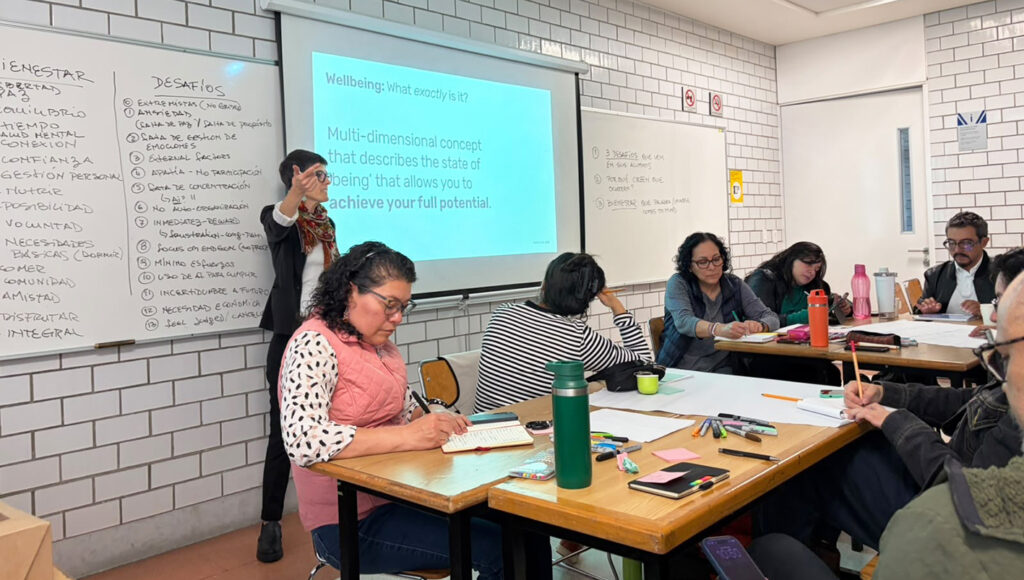
This was the main concern of many educators at the Universidad Autónoma Metropolitana (UAM) in Mexico City. This week I went all the way there to teach a two-day Train-The-Trainer workshop on Human Potential and Imagination to equip educators with tools to support the students reconcile with their authentic selves and reveal their true nature.
Day 1 was eye-opening as we focused on emotional wellbeing. Educators from across the university shared similar challenges they face with their students:
- Feelings of anxiety: lack of peace, lack of purpose
- Struggles with managing emotions
- Apathy, lack of participation and focus
- Excessive focus on the results rather than on learning
- Lack of effort and commitment
- Use of AI to finish assignments fast
- Fear about the future
- Feeling judged for thinking different
Many people —not only students!— experience very similar challenges too!
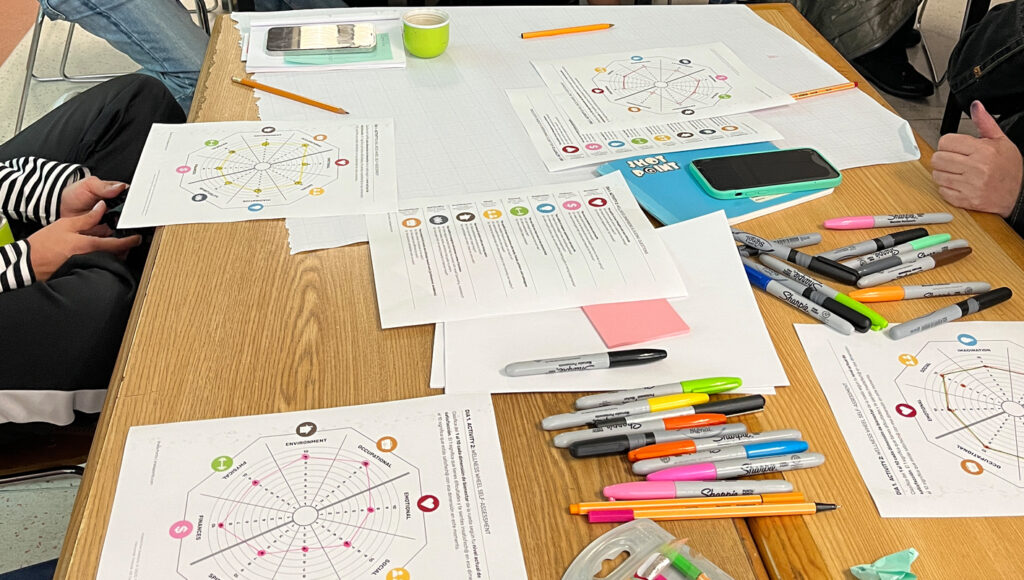
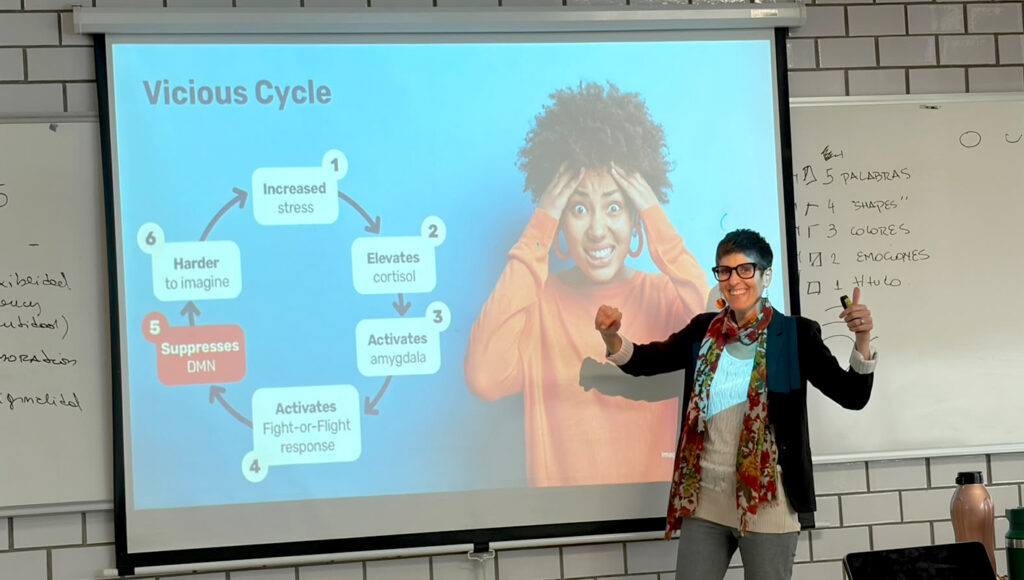
We focused on understanding what human skills are and their role as drivers to address some of the above challenges. Human skills are the interpersonal and intrapersonal capabilities that makes us, humans, unique, because they shape our identity and our interactions as we grow up. Through several experiential activities —wellness self-assessment, purpose blueprint, mindful listening, learned optimism, active-constructive engagement— the educators realized the value of intentionally practicing these skills. They ended the day with new ideas for exercises they could add to their courses and help students from the inside out.
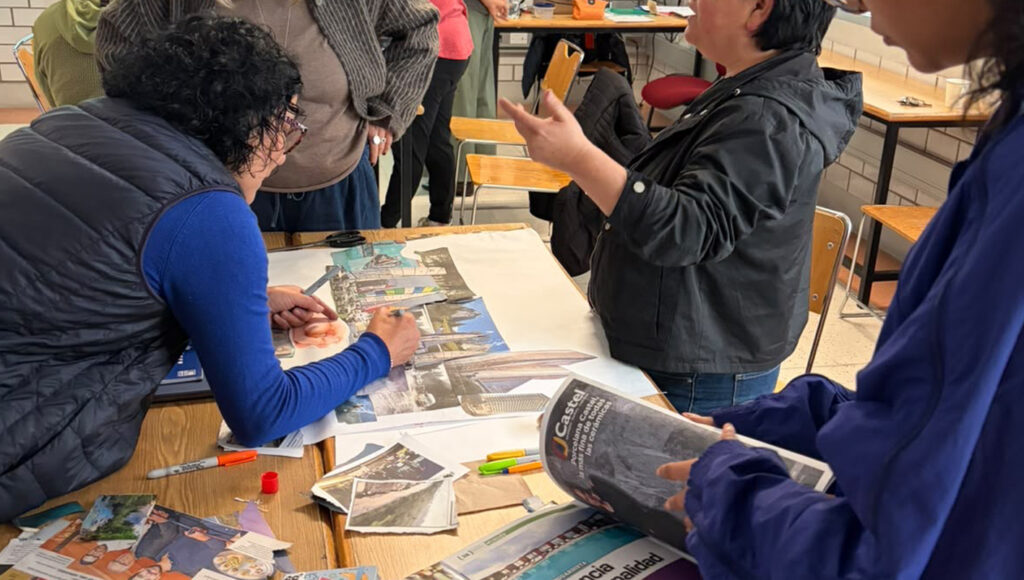
Day 2 centered around imagination and how to integrate both human skills and imagination into any course curricula. I always love watching grow ups, in this case the educators, became children during a few hours: playing, laughing, exploring. The day was full of hands-on activities relevant to imagination training, from imagining their ideal home to generating visions of the future and creating collages.
Working in groups, educators envision four positive futures for 2036:
- Vision 1: “Our Shared Life” — with strong focus on connection, this group envisioned a future where humans and nature cohabitate and time is reframed to foster community and dialogue among both people and the more-than-human world.
- Vision 2: “Socio-Environmental Reconnection” — with a strong focus on technology, this group envisioned a disposal circular future in which all electronic devices and parts are repurposed.
- Vision 3: “Radical Equity” — the focus of this future vision was on reframing current values and equal rights for everyone.
- Vision 4: “Flowing & Navigating the City” — the concept of this vision was rooted in embracing water and rethinking the way people commute in the city, by replacing cars with boats, as well as transforming current living spaces for underwater living.
Addressing our current inner crises or creating any of the above visions will not be fast or easy. But becoming aware of the role of human skills as a way forward is a first step. The more we reconnect with our human skills, and help others — students, colleagues, friends, family — also reconnect with theirs, the closer we are to finding a way forward.
Both my courses at the School of Radical Imagination aim at better equipping people with the skills to reconnect with their human skills and strengthen their imagination.
Learn more about my courses:
- Being Human: How to Reclaim Agency & Flourish in Uncertain Times (October-November 2026)
- Living with Imagination & Optimism (Spring 2027)
Learners walk away more aware of their emotional responses, and with more tools to build authentic connections and imagine the future they want, making decisions with more clarity and confidence.